Grad Kinder: Real Talk for Embroidery Pros
Let’s be honest, kindergarten graduation is a big deal for the little ones, but it’s an even bigger deal for the parents. As an embroidery designer and product reviewer, I’m always looking for machine embroidery designs that capture that milestone without being overly cheesy or complicated. Grad Kinder landed on my desk recently, and I wanted to put it through its paces before recommending it for client work or personal projects. The description promises a funny, unique design that lets kids “rock the place.” But does it hold up under the needle? Let’s break it down from a practical, real-world stitching perspective.
First Impressions: Mood and Visual Personality
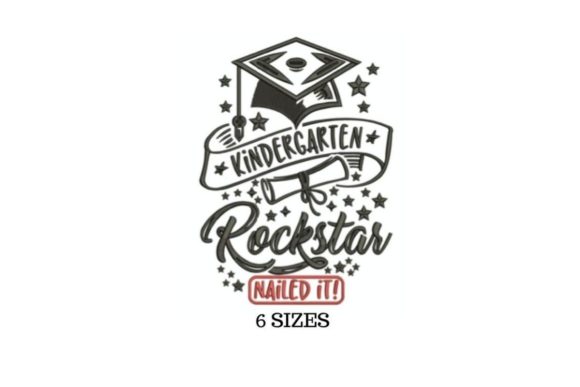
The first thing I noticed is the mood. It’s playful and confident. The layout is designed to be read easily, which is crucial for children’s apparel. In a market flooded with generic caps and diplomas, Grad Kinder stands out because it feels like a conversation starter. It naturally belongs on a custom sweatshirt, a birthday gift, or a personalized tote bag. The detail level is moderate—enough to look polished, but not so dense that it becomes a nightmare to stitch on a tiny t-shirt. The visual personality leans heavily on humor and pride, making it a strong candidate for boutique merchandise and handmade products that parents love to show off.
Stitching Performance: What to Expect Under the Needle
I tested this embroidery file on a few different substrates to see how it behaves. The blend of satin stitch and fill stitch creates a nice contrast between the text and the graphic elements. Here is what I found regarding performance:
- Custom Apparel and Sweatshirts: This is where the design feels most at home. The stitch types handle the curves of a child’s garment well. For stretchy fabrics like jersey, I strongly recommend a cutaway stabilizer to prevent the fill stitches from distorting the fabric texture.
- Tote Bag Design: This is a home run. A sturdy tote bag made from cotton canvas or denim handles the stitch density of Grad Kinder beautifully. It creates a high-end, handmade product look that customers are willing to pay a premium for. The design feels substantial without being overly stiff.
- Embroidered Patches: If you are selling iron-on patches on Etsy, this design works well. The satin stitch border gives it a clean, finished edge. Just be mindful of the stitch density so the patch remains flexible enough to sew onto a backpack or jacket.
- Caps and Hats: The shape of the design needs to be checked carefully for curved surfaces. If the lettering or graphic elements are too wide, they might distort on a structured cap front. A best practice is to test a small hoop version first to see how the design assets conform to the curve.
Where to Tread Lightly with Grad Kinder
No design is perfect for every project. Here’s where Grad Kinder needs a careful hand:
- Small Hoop Sizes: If you are limited to a 4x4 hoop, check the file dimensions. You might need to scale it, which can affect stitch density and the clarity of the small details. Always preview the scaled version in your software.
- Thin or Delicate Fabric: The stitch count might be too heavy for lightweight silk or thin rayon. It will cause puckering. Always use a high-quality stabilizer and a lightweight cutaway for delicate fabrics. A test stitch on a scrap piece is non-negotiable here.
- Dark Fabric: The thread color palette is crucial. If the default colors are light, you need to manually adjust them for contrast. A dark fabric can muddy the visual appeal if the contrast isn't sharp. I recommend using bright white or neon thread colors for maximum impact.
- Frequent Washing: If this is going on a kid's item that will be washed weekly, density matters. High-density designs can crack and fade over time. Test the design on a scrap piece and wash it to see how it holds up. Using a high-quality thread and proper stabilizer will extend the life of the finished product.
Real Case Scenario: The Custom Tote Bag
Let me walk you through a real project. A client wanted a gift for her son’s kindergarten teacher. We used Grad Kinder on a high-quality cotton canvas tote bag. The setup was straightforward: medium-weight cutaway stabilizer, a 70/10 sharp needle, and bright thread colors to match the school’s colors.
The stitching was clean. The satin stitch handled the fabric texture of the canvas perfectly, creating a crisp, professional look. The fill stitch areas were smooth and even, with no thread breaks or puckering. The final product was a hit—it looked professional, humorous, and durable. The client loved that it was a usable item, not just a decorative piece. This is the kind of custom apparel and handmade product that builds a solid reputation for a small shop. It also photographs beautifully for social media, making it easy to sell as a digital mockup or a finished product.
Business Value: Why This Design Sells for Etsy and Small Shops
From a business perspective, Grad Kinder offers strong value for craft business owners and Etsy sellers. The humor factor makes it highly giftable. Parents are always looking for unique, funny ways to celebrate milestones. This design gives you a distinct look that separates you from the “same old” graduation appliques.
It also works well for branding. If you are an apparel decorator looking to offer a “grad collection,” this design adds a playful tone that appeals to modern parents. The readability of the design means it works well on a printable mockup, helping customers visualize the final product before they buy. Whether you are selling the finished product or the digital embroidery file, the design assets are strong enough to command a reasonable price point.
Practical Notes for Designers and Decorators
Before you sell this as a finished product or use it for a client, here are my non-negotiable steps:
- Test on Scrap Fabric: Never skip this. The interplay between the satin stitch and fill stitch needs to be seen on your specific fabric type. What works on cotton might not work on a performance fleece.
- Check Thread Color Contrast: Open the embroidery file in your software and view it in black and white. If you can’t read it easily, the contrast is off. Adjust the thread colors to ensure maximum readability.
- Review Stitch Density: High stitch density can make a patch stiff or cause a garment to pucker. If it feels too dense, consider reducing the density or using a fill stitch with a lower count. This is crucial for baby embroidery and holiday gifts that need to be soft.
- Confirm Hoop Size and Licensing: Always verify the exact hoop size required for the largest size of the design. And for commercial embroidery, double-check the licensing terms. You don’t want to violate usage rights when selling on Etsy or at craft fairs.
- Choose the Right Stabilizer: For most projects, a tear-away stabilizer works fine for stable fabrics. For stretchy or textured fabrics, a cutaway stabilizer is a must to maintain the integrity of the design over time.
Final Verdict for Custom Apparel and Gift Makers
Grad Kinder proves that a well-executed, humorous machine embroidery design can elevate a simple piece of cloth into a cherished keepsake. It is practical, visually appealing, and versatile enough for a variety of projects—from baby items to holiday gifts. It is a strong addition to your digital embroidery file library if you are an embroidery designer, hobbyist, or small shop owner looking to create personalized gifts for graduation season.
It works well for apparel decorators creating custom sweatshirts and t-shirts, boutique sellers looking for trendy, funny designs, and gift makers creating personalized products for family and friends. It might not be the best fit for very formal or conservative projects, but for a fun, memorable milestone, it delivers real value. Just remember to respect the fabric, stabilize properly, and always test first. Your customers will thank you for the quality, and the kids will truly rock the place.