Hope Daisy: A Craft Fair Review from an Embroidery Designer
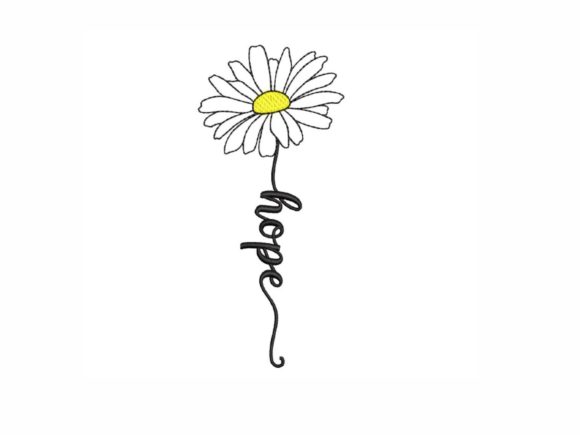
When I first opened the Hope Daisy machine embroidery design, I was struck by its balanced blend of dainty charm and understated strength. The name itself suggests something uplifting, and the design delivers exactly that — a delicate daisy rendered with clean lines and a soft, open petal structure that feels both modern and timeless. As someone who has reviewed hundreds of embroidery files for craft fair booths and handmade market tables, I can tell you that Hope Daisy occupies a sweet spot between farmhouse appeal and giftable sentiment. It is not overly rustic, nor is it fussy or ornate. It reads as inspirational without being preachy, and that is a rare quality for a design meant to sell across multiple product types.
For a small shop product or an Etsy seller looking to expand their finished goods lineup, Hope Daisy offers the kind of visual clarity that stops a browser mid-scroll. The daisy is the focal point, and the word "Hope" is integrated in a way that feels intentional, not crowded. This is not a design that fights for attention — it earns it quietly. And in a craft fair booth, where customers are scanning dozens of items in seconds, that kind of clear visual communication is gold.
First Impressions: Mood, Style, and Booth Presence
Hope Daisy lands in the soft and minimal category with a touch of inspirational warmth. It is not bold in the way a large sunflower or a loud phrase might be. Instead, it invites the viewer closer. The daisy petals are spaced enough to read clearly at a distance, but the detail in the center and the lettering rewards a closer look. This is a design that works beautifully on a tea towel embroidery or a tote bag design because it does not overwhelm the fabric. It feels like a finishing touch, not a takeover.
In a booth setting, I would place Hope Daisy items at eye level on a shelf or hanging grid. The design's airy composition means it will not look muddy or heavy when displayed with other embroidered pieces. It pairs well with neutral linens, soft cottons, and even lightweight denim. If you are building a cohesive line of handmade products around a garden or wellness theme, this design can anchor your collection.
Tote Bags and Market Bags
This is where Hope Daisy feels most at home. On a sturdy canvas tote or a lightweight cotton market bag, the design reads as a thoughtful accent. I recommend hooping the bag with a cutaway stabilizer to keep the fabric from shifting, especially if the tote has a textured weave. The daisy's open petals mean fewer dense stitch areas, so the bag will not pucker. The word "Hope" is large enough to catch a customer's eye from a few feet away, which is exactly what you want at a craft fair product display.
Apron Embroidery
An apron is a natural canvas for an inspirational design. Hope Daisy placed on the chest or lower pocket area creates a focal point that feels personal without being intrusive. For apron embroidery, check that the hoop size you plan to use fits comfortably within the apron panel. This design does not require a giant hoop, which is a practical advantage for batch production. If you are stitching multiple aprons for a weekend market, the stitch time is reasonable, and the thread colors are limited enough to minimize thread changes.
Tea Towel Embroidery
Tea towels are a staple of the handmade product world, and Hope Daisy is an excellent candidate. The design's dainty nature complements the narrow format of a towel. I would position it in the lower third of the towel, centered or slightly off-center. Because towels are often given as gifts, the inspirational message adds perceived value. One note: if the towel has a thick or textured weave, test a sample first. The daisy's fine details may need a stabilizer with good hold to prevent the stitches from sinking into the fabric.
Embroidered Patch
Patches are a fantastic way to offer a lower-price entry point in your booth. An embroidered patch featuring Hope Daisy can be sold individually or attached to hats, jackets, and pouches. The design's compact shape works well within a patch format. I would recommend a minimum size of about 2.5 to 3 inches to keep the lettering crisp. If you are selling patches as a digital embroidery file or as a finished product, include a size reference so customers understand the scale.
Caps and Curved Surfaces
Embroidering on a cap frame can be tricky, but Hope Daisy is simple enough to adapt. The design does not contain extremely small details that would be lost on a curved surface. However, I would caution against placing it too close to the seam or brim. Test the embroidery file on a practice cap before committing to a batch. The daisy's center may be dense, so monitor the stitch density to avoid pushing through the cap's front panel.
Pillow Covers and Fabric Pouches
Pillow covers benefit from a design that feels restful, and Hope Daisy delivers exactly that. On a linen or cotton pillow, the design adds a handmade touch without competing with the room's decor. For small fabric pouches, reduce the size proportionally. The key is to ensure the lettering remains legible. If you scale down too much, the thinnest strokes in the word "Hope" may become fragile. Always test at the intended size before production.
Practical Selling and Production Points
One of the strongest selling points of Hope Daisy is how quickly a customer understands it. At a glance, they see the flower and the word. There is no confusion, no squinting to read a cursive font. This is a machine embroidery design that communicates its message instantly. For an Etsy seller photographing items for a listing, this clarity translates well on screen. The design does not rely on subtle shading that gets lost in a mobile photo. It reads clearly in a printable mockup and in real life.
From a production standpoint, Hope Daisy is repeatable. The stitch density appears moderate, which means fewer needle breaks and less thread waste. For a small shop product that needs to be made in multiples, this design allows for efficient workflow. I recommend stitching a few samples in different thread colors to see which combinations draw the most attention at your booth. Soft blues, dusty pinks, and classic black on white all perform well with this design.
When it comes to commercial embroidery, confirm that your license covers selling finished products. This is a step many new sellers overlook, but it is essential for protecting your business. Hope Daisy is the kind of design that could become a bestseller if you apply it consistently across your product line. Consider creating a "Hope Collection" with matching items in different categories.
Careful-Use Notes: What to Watch For
- Dense stitch areas: The center of the daisy may have a higher stitch count. On lightweight fabrics, this could cause some puckering. Use a tear-away or cutaway stabilizer depending on the fabric weight.
- Tiny details and small lettering: If you scale Hope Daisy down significantly, test the lettering first. The word "Hope" should remain crisp. If the strokes become too thin, consider a slightly larger hoop size.
- Thick fabric and textured towels: On terry cloth or thick towels, the design may lose some clarity. A water-soluble topper can help keep the stitches visible on the surface.
- Curved cap surfaces: As mentioned, test on a practice cap. The design's open structure helps, but the center density may be a concern on steep curves.
- Dark fabric: If you are stitching on dark fabric, choose thread colors that stand out. White, bright yellow, or light blue for the daisy will create contrast. Avoid dark thread colors that blend into the background.
- Design clarity at smaller sizes: For patches or small pouches, do not go below a recommended minimum size. The design's charm lies in its readability, and that is compromised when it is too small.
Visual Appeal, Customer Attention, and Booth Display Strength
In a real craft fair booth, Hope Daisy draws a specific type of customer — the one looking for a meaningful gift or a small personal treat. It is not a loud design, but it creates a quiet pull. I have seen similar designs stop customers who were walking past a booth, simply because the word "Hope" resonated with them. The daisy softens the message, making it feel like a gentle reminder rather than a statement.
For booth display, group Hope Daisy items together. A tote bag, a tea towel, and a patch displayed on a small peg or basket create a visual story. Customers often buy more than one item when they see a cohesive theme. The design's inspirational quality also makes it a natural candidate for gift bundles. Pair an embroidered towel with a small candle or a handmade soap, and you have a ready-made gift set.
In online listings, Hope Daisy photographs well because it does not rely on intricate shading. A flat lay photo on a wooden table or a simple white background lets the design speak. Include a printable mockup in your product photos to show the scale. Customers appreciate knowing exactly how the design will look on a finished item.
Embroidery Designer Notes: Practical Steps Before Production
Before you stitch Hope Daisy on your final product, take these steps to ensure quality and consistency:
- Test the design on scrap fabric. Use the same fabric type you plan to sell. This is the only way to confirm stitch density, thread tension, and overall appearance.
- Check thread contrast. Hold your chosen thread colors against the fabric in natural light. The daisy should pop, and the lettering should be easy to read.
- Review spacing. Make sure the design is not too close to seams, zippers, or edges. Leave at least an inch of breathing room on all sides.
- Confirm hoop size. Verify that the embroidery file fits within your hoop before you commit to a production run. If you need to resize, do it in your software and test again.
- Inspect stitch density. If the center of the daisy feels too dense, consult the design notes or your software's density map. Adjust if necessary, especially for delicate fabrics.
- Use the right stabilizer. For stable fabrics like canvas or denim, a tear-away stabilizer works well. For stretchy or loose-weave fabrics, use a cutaway stabilizer.
- Create at least one real mockup. Stitch the design on the actual product and photograph it. This mockup becomes your best sales tool for Etsy seller listings and booth displays.
- Compare fabric colors. Hope Daisy looks different on white, cream, gray, and pastel fabrics. Stitch samples on a few colors to see which one sells best in your market.
- Confirm commercial licensing. Before selling any finished product, review the license that came with your digital embroidery file. Some designers require attribution or limit the number of items you can sell.
- Inspect the final product. Check for loose threads, skipped stitches, or fabric puckering. Quality control is what separates a handmade product from a mass-produced item.
Final Thoughts on Hope Daisy for Your Craft Fair Booth
Hope Daisy is a versatile, customer-friendly design that fits naturally into a craft fair product lineup. It is not a trend piece that will feel dated next season. The daisy motif is timeless, and the word "Hope" has universal appeal. Whether you are stitching it onto a tote bag design, a tea towel embroidery, or an embroidered patch, this design holds its own in a booth full of handmade goods.
My advice as a designer is to lean into its simplicity. Do not overcomplicate the display. Let the design breathe. Use neutral fabrics that let the daisy and the lettering stand out. And most importantly, test before you produce. A well-executed Hope Daisy item will sell itself — and it will keep customers coming back to your booth for more.