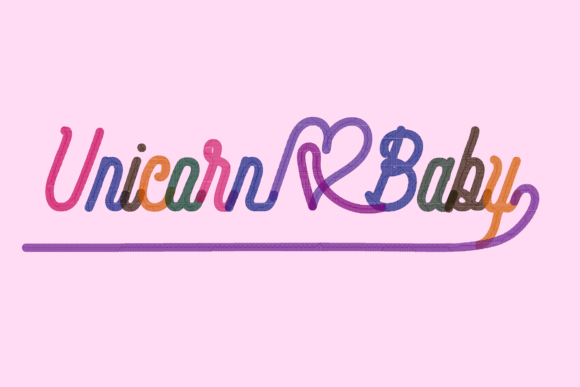
Unicorn Baby Lettering: A Designer’s Review for Business Merch
As an embroidery designer who has reviewed hundreds of machine embroidery design files for small business use, I approach every new embroidery file with a critical eye. When I first opened Unicorn Baby Lettering, I was curious to see how this design would translate from a digital embroidery file to a finished product that could represent a brand. Let me walk through my review of this design for small business merch, branded patches, and custom apparel.
The description calls Unicorn Baby Lettering a fun and witty embroidery design, perfect for adding personality to clothing, aprons, gifts for friends, or anything else. This machine embroidery design comes with the promise of versatility. But as a professional, I need to look beyond the surface and evaluate how it performs in real commercial embroidery projects. Let me break down everything a small business owner needs to know before using this design for merchandise, embroidered patches, uniforms, caps, tote bags, and product labels.
First Impressions of Unicorn Baby Lettering for Brand Use
The title Unicorn Baby Lettering suggests a playful, whimsical tone. The word “baby” might make you think this design belongs only in the Babies category, but the description clearly states it is for clothing, aprons, gifts for friends, or anything else. That means it can work for a much wider range of applications. The design feels friendly, approachable, and full of personality. It is not a formal or corporate style. It is not minimalist or restrained. It is openly cheerful and slightly witty, which makes it ideal for businesses that want to project warmth and charm.
For a small café, a boutique bakery, a handmade shop, a creative studio, or a local florist, Unicorn Baby Lettering could serve as a signature accent on merchandise. It feels like a design that customers would remember and smile at. That emotional connection is valuable for brand identity and customer trust. However, I immediately note that the Embroidery category requires careful attention to lettering detail. If the lettering is too intricate or too small, it may not stitch out cleanly. That is the first thing I check when reviewing any machine embroidery design for business use.
How Unicorn Baby Lettering Performs in Real Business Use
When I evaluate a machine embroidery design for commercial embroidery projects, I think about how it will perform across different applications. Let me break down the key business use cases for Unicorn Baby Lettering.
Embroidered Patches
For small business merch, patches are a popular choice because they can be attached to bags, hats, jackets, and aprons. Unicorn Baby Lettering could work as a patch design if the lettering is bold enough and not too detailed at small sizes. I recommend testing it at two to three inches wide to see if the lettering remains legible. If the design has fine lines or tiny decorative elements, they may blur at patch scale. Request a sample stitch-out from your digitizer before committing to a patch run.
Staff Uniforms and Apron Embroidery
For a café or bakery, apron embroidery using this design could add personality and recognition. The fun and witty nature of the design suits a casual, friendly brand tone. I would pair it with a simple thread color that contrasts well with the apron fabric. White or cream aprons with a bright thread color would make the lettering pop. For darker aprons, choose a thread color that stands out clearly. Test the design on a sample apron to check how the stitch density feels on the fabric. High density can make the fabric stiff, which is uncomfortable for staff wearing aprons all day.
Cap Embroidery
Cap embroidery requires designs that fit curved surfaces. Unicorn Baby Lettering would need to be positioned carefully on the front panel or as a side detail. The stitch density must be moderate to avoid distortion on the cap curve. I recommend using a lightweight stabilizer and testing on a practice cap before production. If the design is too wide, it may wrap around the curve awkwardly. Keep the design width under four inches for standard cap fronts.
Tote Bag Design
Tote bag design is a natural fit for this design. The larger surface area allows the lettering to breathe, and the playful tone works well for reusable shopping bags, gift bags, or branded merchandise. For a boutique or handmade shop, a tote bag with Unicorn Baby Lettering could become a customer favorite. Since tote bags are often washed, make sure the design is digitized with proper underlay and pull compensation to maintain shape over time.
Chest Logo Accents and Work Shirts
For a boutique, creative studio, or handmade brand, chest logo accents using this design could create a recognizable brand mark. The key is to keep the size appropriate for the garment area. A chest logo should be around three to four inches wide for adult shirts. Test the design at that size to ensure the lettering is clear and the overall look feels professional. For custom apparel, the design should enhance the garment, not overwhelm it.
Product Packaging Accents
Some small businesses use embroidered patches as product packaging accents. Attaching a small patch to a gift box or product label adds a handmade touch that customers appreciate. Unicorn Baby Lettering could work as a small accent patch if the lettering remains readable at one to two inches. Test it first to confirm.
Where to Use Unicorn Baby Lettering with Care
As a professional embroidery designer, I always advise caution in certain areas. Unicorn Baby Lettering has specific limitations that you need to consider before production.
Small Patch Sizes
If you are planning to use this as a small embroidered patch, test the lettering at the actual production size. Tiny lettering can lose detail, and the witty elements of the design might not translate well below one and a half inches. If the design relies on fine lines or small decorative flourishes, they may become muddled at small scale. Ask your digitizer to simplify the design if needed.
Cap Fronts and Curved Surfaces
The curvature of a cap can distort lettering. Use a lightweight stabilizer and test on a practice cap before production. Consider reducing stitch density to help the design lay flat. If the design has wide lettering, it may pucker on the curve. Keep the design narrow and centered for best results.
High Stitch Density
If the design has dense fill areas, it might cause puckering on lightweight fabrics. Ask your digitizer to check the stitch count and adjust if needed for your specific fabric. High density can also make the design feel stiff and heavy, which is not ideal for soft garments or aprons. For tote bag design or apron embroidery, moderate density is better.
Dark Uniforms
If you are embroidering on dark fabric, ensure the thread colors in the design provide enough contrast. Light pastel colors might get lost on black or navy uniforms. Unicorn Baby Lettering may use soft, playful colors that work well on light fabrics but need adjustment for dark backgrounds. Consider using a white or bright underlay to help the design pop on dark fabric.
Frequent Washing
For items that will be washed often, such as aprons, work shirts, or tote bags, make sure the design is digitized with appropriate underlay and pull compensation to prevent distortion over time. The fabric texture also matters. Rough fabrics like canvas or denim can wear down thread faster. Use quality thread and proper stabilizer to extend the life of the embroidery.
How Unicorn Baby Lettering Affects Brand Identity
The design you choose for your merchandise directly impacts brand identity, customer trust, and recognition. Unicorn Baby Lettering brings a friendly, approachable energy that can help a small business feel more personal and memorable. For a handmade product brand, this design could signal that your business is creative, fun, and not afraid to show personality. That can be a powerful differentiator in a crowded market.
However, if your brand identity is more professional, minimalist, or serious, this design might feel too casual. Consider your target audience and the message you want to convey before committing to this embroidery file for your branded merchandise. Visual consistency is important. If you use Unicorn Baby Lettering on your products, make sure it aligns with your other design assets, such as your logo, packaging, website, and social media presence. A cohesive brand experience builds trust and recognition.
For buyer engagement, playful designs like this one often perform well on social media. Customers may share photos of your merchandise because the design makes them smile. That organic promotion is valuable for small businesses. The finished product should look polished and professional, even if the tone is lighthearted. Good digitizing and quality production ensure that the design enhances your brand rather than detracting from it.
Practical Embroidery Designer Notes for Unicorn Baby Lettering
Before you take this design into production, here are my practical recommendations as an embroidery designer.
- Test in black and white first. Digitize the design in monochrome to check the lettering structure and spacing without color distraction. This helps you see if the design is well-digitized and if the letterforms are clean.
- Check performance at small patch size. Request a sample stitch-out at your target size. If the design is for a patch, test it at two to three inches. If for a cap, test at the cap front size. Do not assume the design will scale down perfectly.
- Review thread color contrast. Choose thread colors that contrast well with your fabric. For a professional look, stick to one or two colors. For a playful look, use the full color palette of the design. Test on the actual fabric before production.
- Inspect spacing and lettering. Look for uneven spacing, gaps, or overlaps in the lettering. Well-digitized lettering should be clean and readable. If the spacing looks off, ask your digitizer to adjust it.
- Confirm hoop size. Make sure the design fits within your available hoop size options. If it is too large, you may need to resize it, which could affect detail and stitch density. Resizing should be done carefully to maintain quality.
- Test on real fabric. Always stitch a sample on the actual fabric you plan to use. Different fabric texture and weight can affect how the design looks and feels. A design that works well on cotton may not perform the same on polyester or canvas.
- Use proper stabilizer. For stretchy fabrics, use a cutaway stabilizer. For stable fabrics, tearaway may work. The right stabilizer prevents puckering and distortion. For cap embroidery, use a specialized cap stabilizer to keep the design flat on the curve.
- Create a mockup for client approval. Before producing a batch of merchandise, create a printable mockup showing the design on the actual product. This helps clients visualize the finished product and avoids costly mistakes. A mockup also helps you check placement and scale.
- Compare beside other design assets. Place the embroidered sample next to your other brand materials, such as logos, packaging, and labels. Ensure visual harmony across all design assets. If the design feels disconnected from your brand, reconsider using it.
- Confirm commercial licensing. Before using any machine embroidery design for business purposes, verify that your license allows commercial use. Not all embroidery files include commercial rights. Check the terms before you start production to avoid legal issues.
Final Thoughts on Unicorn Baby Lettering for Small Business Merch
Unicorn Baby Lettering has potential as a fun, personality-driven design for small business merch. It could work well for cafés, boutiques, bakeries, creative studios, and handmade brands that want to project a friendly, approachable image. However, as with any embroidery file, success depends on proper testing, appropriate sizing, and alignment with your brand identity.
If you are considering this design for your custom apparel or branded merchandise, take the time to test it thoroughly, review the stitch quality, and ensure it represents your brand the way you intend. With the right preparation, Unicorn Baby Lettering could become a recognizable part of your brand’s visual identity. The design is versatile enough for apron embroidery, cap embroidery, tote bag design, and embroidered patches, but it requires careful attention to detail at every stage of production.
Remember that commercial embroidery is about more than just stitching a design onto fabric. It is about creating a finished product that builds customer trust, enhances brand identity, and adds value to your business. Unicorn Baby Lettering can help you achieve that if you approach it with the same care and professionalism that you bring to every other aspect of your business. Test it, refine it, and use it wisely. Your customers will notice the difference.